From acclaimed tasting menus in Marbella to mountain-village gastronomy in Benahavís, here is how to explore the Michelin restaurants of the Costa del Sol and dine like a local.
The Costa del Sol has quietly evolved from a sun-and-sangria destination into one of southern Europe's most exciting gastronomic regions. Andalusian tradition, world-class produce and a steady influx of internationally trained chefs have created a dining scene that rewards the curious. Whether you are visiting for a fortnight or settling into a new home, understanding the Michelin restaurants Costa del Sol has to offer is the key to eating well here — and the secret is balancing the grand tasting menus with the humble local spots that locals treasure.
Why the Costa del Sol Earned Its Michelin Recognition
The region's culinary rise is no accident. Year-round sunshine, the proximity of both the Mediterranean and the mountains, and access to extraordinary ingredients — Málaga avocados, Axarquía wines, day-boat fish from the local lonja, and prized Iberian pork — give chefs a remarkable larder to draw on. Add the demands of a discerning, well-travelled resident community, and you have fertile ground for ambitious kitchens.
Michelin recognition on the Costa del Sol tends to cluster around the western stretch, particularly Marbella and its surrounding villages. Here, fine-dining establishments have built reputations on refined technique applied to deeply Andalusian flavours. Rather than chase a definitive list of names and stars — which shift from year to year — it is more useful to understand the areas and styles that define top-tier dining in the region.
Marbella: The Heart of High-End Dining
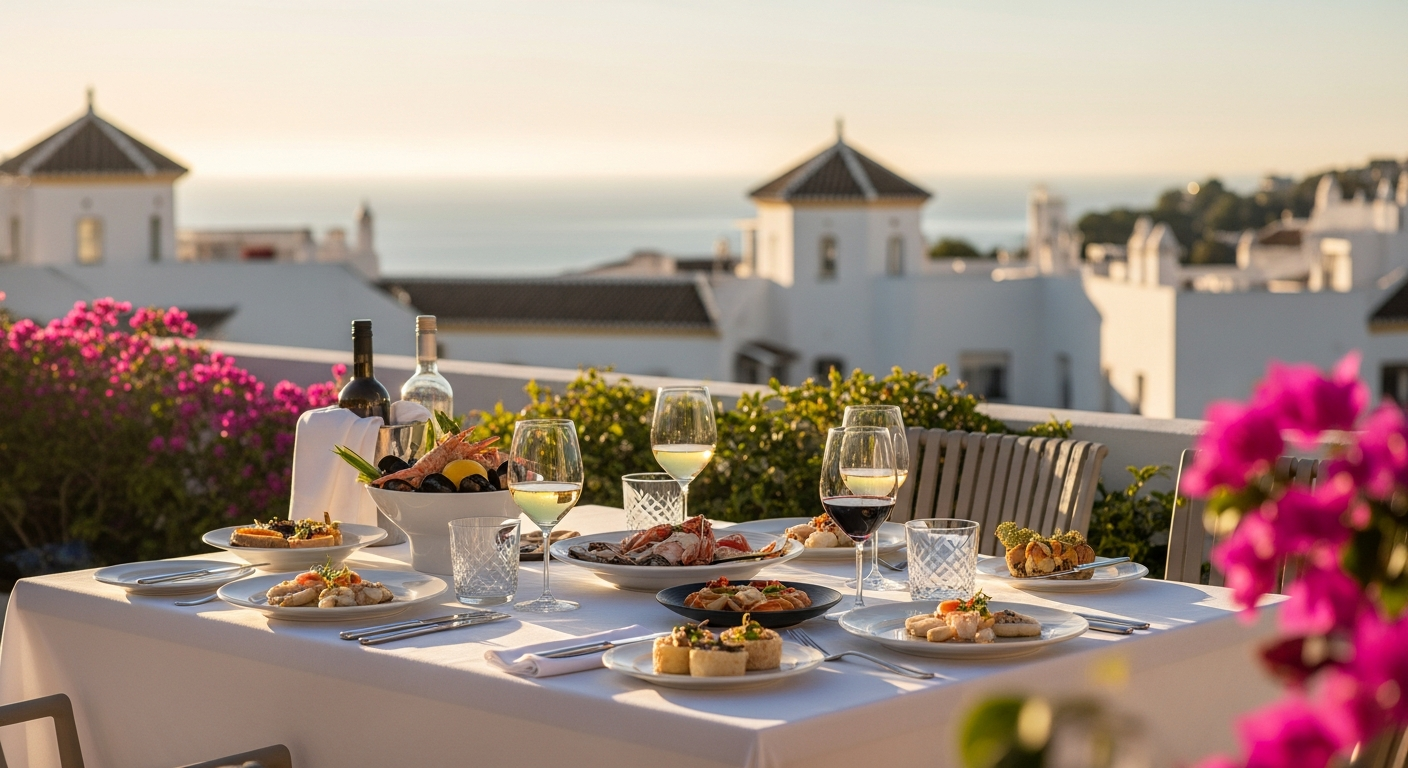
Marbella remains the epicentre of luxury gastronomy on the coast. The town blends old-world charm in its historic casco antiguo with the glamour of the Golden Mile, and its restaurant scene reflects both. You will find kitchens producing precise tasting menus that elevate local seafood and seasonal vegetables, often paired with an extensive Spanish wine programme.
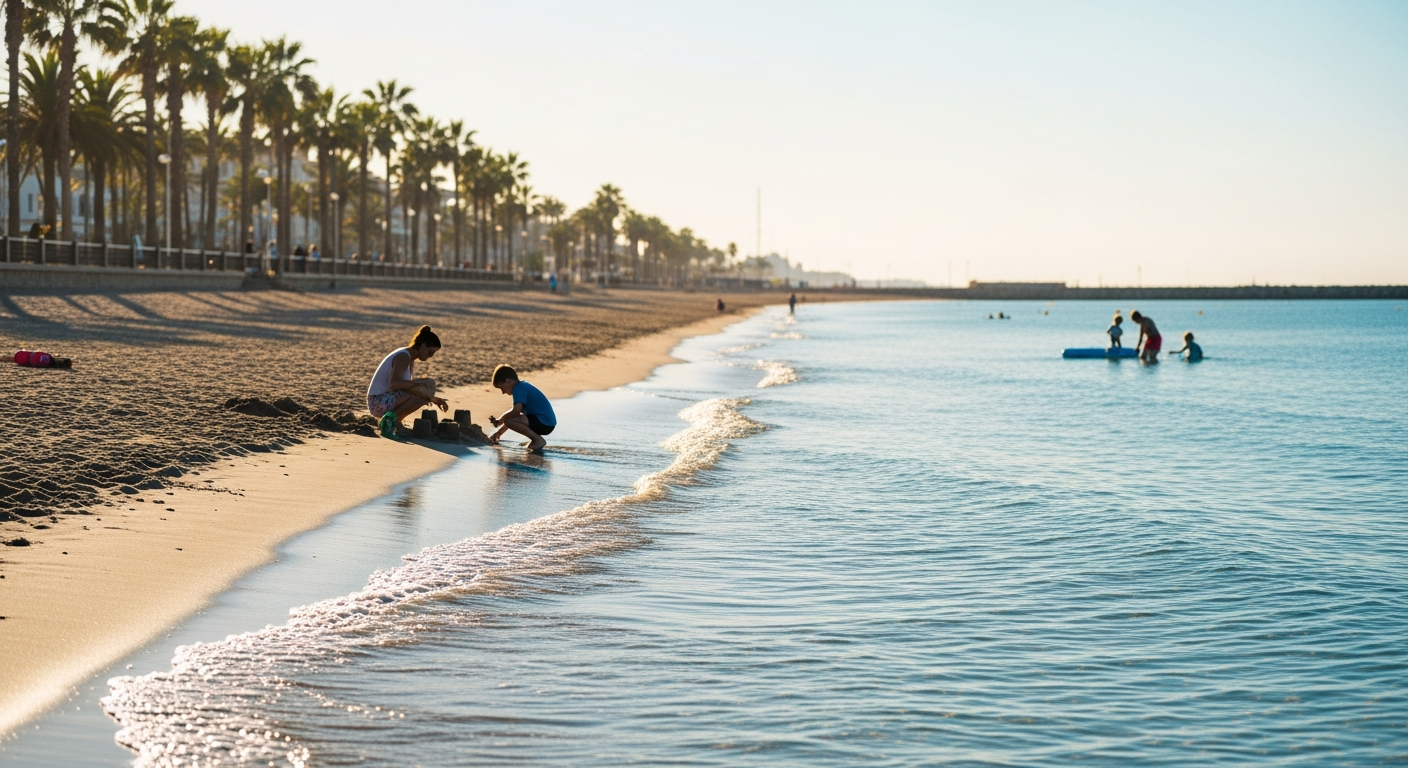
What makes Marbella special is the range. A single evening can take you from a relaxed beachfront chiringuito serving espetos — sardines skewered and grilled over driftwood embers — to a hushed dining room delivering multi-course menus with theatrical flourish. If you are exploring the area as a potential base, the Marbella area guide offers a fuller picture of the neighbourhoods and lifestyle that surround this dining culture.
Booking and Timing
The most sought-after tables, especially in summer, require booking weeks ahead. Spanish dining runs late — reservations from 21:00 are normal — so adjust your expectations accordingly. Many high-end venues close for part of the winter, so always confirm seasonal opening before you travel.
Benahavís: The Village of Gastronomy
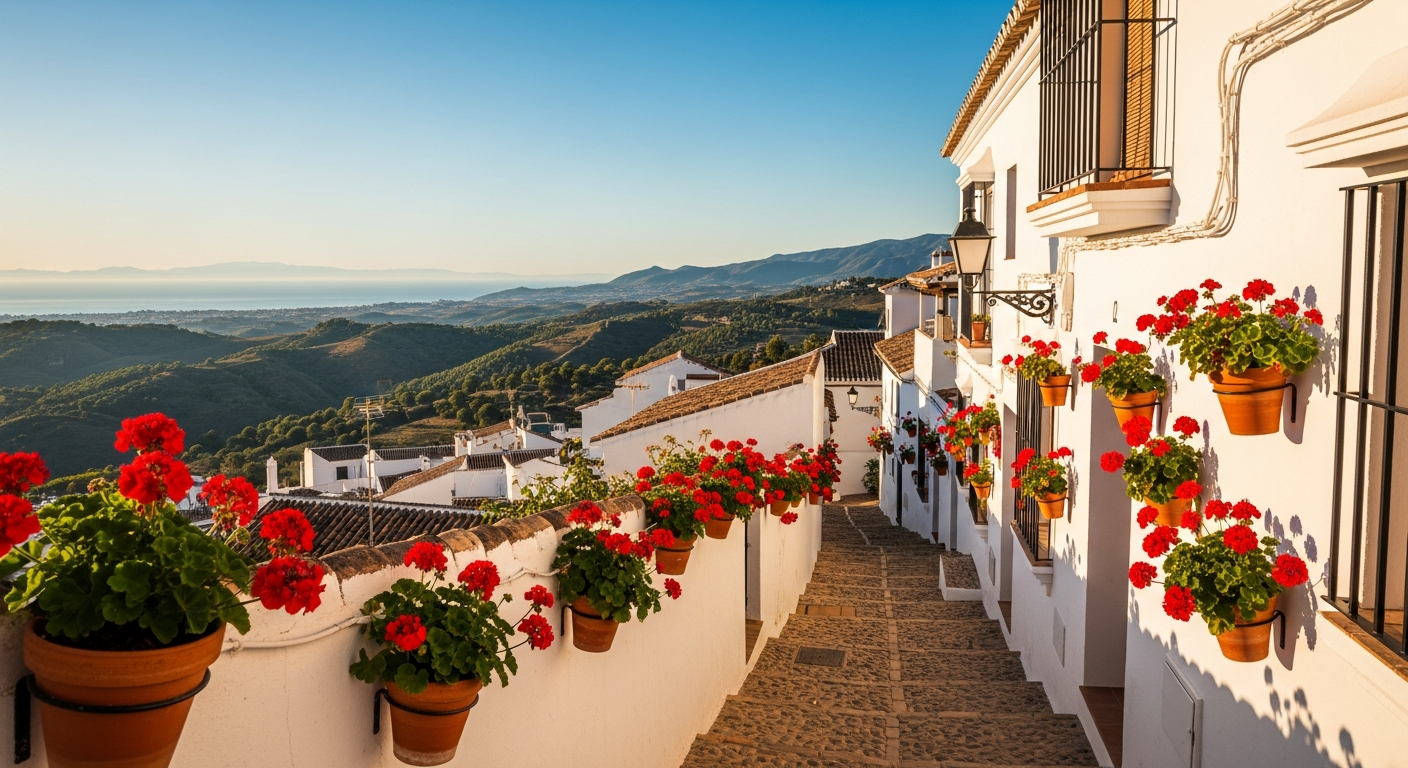
Just inland from the coast, the white-washed mountain village of Benahavís has earned a reputation as one of Andalucía's culinary hubs, packing an unusual concentration of restaurants into its narrow streets. The setting is intimate and unmistakably Spanish: cobbled lanes, geranium-filled balconies and the scent of grilled meat drifting from family-run kitchens.
Benahavís is where ambitious cooking meets genuine village warmth. Some establishments here pursue Michelin-level refinement, while neighbouring tabernas serve hearty stews and slow-roasted lamb at honest prices. It is the ideal place to understand how the region's fine dining grows from authentic roots. The Benahavís area guide is worth a read if the village's blend of tranquillity and gastronomy appeals to you.
San Pedro de Alcántara and Estepona: Quieter Sophistication
Not every memorable meal happens under the brightest spotlight. San Pedro de Alcántara, between Marbella and Estepona, has matured into a sophisticated yet relaxed town with a growing restaurant scene, a handsome remodelled boulevard and a strong sense of local life. It offers excellent dining without the crowds of its more famous neighbour, and it has become popular with residents who want quality on their doorstep. Browse the San Pedro de Alcántara area guide to see why it appeals to those who want substance over spectacle.
Estepona, further west, has invested heavily in its old town, transforming once-quiet streets into a flower-draped pedestrian network dotted with restaurants. The cooking here tends towards confident, market-driven Andalusian fare, and the atmosphere is unhurried. For visitors who find Marbella's pace intense, this stretch of coast delivers serious flavour with a gentler rhythm.
How to Dine Like a Local
Michelin recognition is a wonderful guide, but the most rewarding meals often happen when you eat the way locals do. A few principles will serve you well.
Embrace the Espeto
No discussion of Costa del Sol dining is complete without the espeto de sardinas. Grilled over open fires on the beach, this simple dish is sacred to the region. Even the most refined diners return to it. A chiringuito lunch of fresh espetos with a chilled glass of local wine is, for many, the truest taste of Málaga province.
Follow the Seasons
Locals eat with the calendar. Spring brings tender broad beans and artichokes; summer is for gazpacho, ajoblanco and seafood; autumn ushers in mushrooms and game. The best kitchens — Michelin-starred or otherwise — build their menus around what the markets offer that week. Asking what is in season is the surest route to the finest plate on any menu.
Mix High and Low
The savviest food lovers on the coast alternate. One night might be a celebratory tasting menu; the next, a plate of jamón and a glass of fino in a backstreet bar. Both are authentic, and the contrast is part of the pleasure. Tapas culture remains alive and well, and grazing across several small bars in an evening is a quintessential local ritual.
Building a Life Around the Table
For many international buyers, the region's gastronomy is not a holiday novelty but a daily pleasure. The ability to walk to a Michelin-recognised restaurant, shop at a vibrant local market and grill espetos at a beach a few minutes from home is a genuine lifestyle draw. Towns such as San Pedro, Benahavís and Estepona combine this culinary richness with relaxed residential living.
On the market now:
€2,595,000 — Penthouse Duplex, The Golden Mile. View listing — three bedrooms, three and a half baths, walking distance from Marbella's tasting-menu rooms.
€5,000,000 — Detached Villa, Benahavís. View listing — five bedrooms, five baths, in the mountain village that punches so far above its weight at the table.
If you are testing the waters before committing, renting for a season lets you sample the dining scene neighbourhood by neighbourhood and discover where you feel most at home before you buy.
A Practical Note for International Diners
Dress codes at the most formal restaurants lean towards smart-casual rather than strictly formal, though beachwear is never appropriate away from the chiringuitos. Tipping is appreciated but modest — rounding up or leaving five to ten per cent is generous by Spanish standards. And remember that the unhurried pace is the point: a great dinner here is an evening's entertainment, not a quick refuelling stop.
The Costa del Sol's culinary identity is still being written, with new kitchens opening and existing ones refining their craft each year. That dynamism is exactly what makes dining here so rewarding. Approach it with curiosity, balance the celebrated with the everyday, and you will eat as well as anyone on this coast — and far better than most.