From spring ferias to summer beach grills and winter market stalls, here is how to enjoy Costa del Sol food festivals and dining events through every season of the year.
The Costa del Sol is rightly famous for its beaches and golf, but ask anyone who lives here and they will tell you the real rhythm of the region is set by its table. Costa del Sol food festivals and dining events run almost continuously, shifting with the seasons, the harvests and the local calendar. Whether you are a long-term resident, a frequent visitor or considering a move to the coast, knowing what to look out for through the year transforms a simple holiday into a genuine taste of Andalucían life.
This guide takes you season by season, with practical advice on how to make the most of the markets, ferias and gastronomic celebrations that give the coast its distinctive flavour.
Spring: Ferias, Citrus and Fresh Produce
Spring is when the coast shakes off its quiet winter months. The weather is mild, the orange and lemon trees are heavy, and town squares begin to fill again.
Town ferias and local fiestas
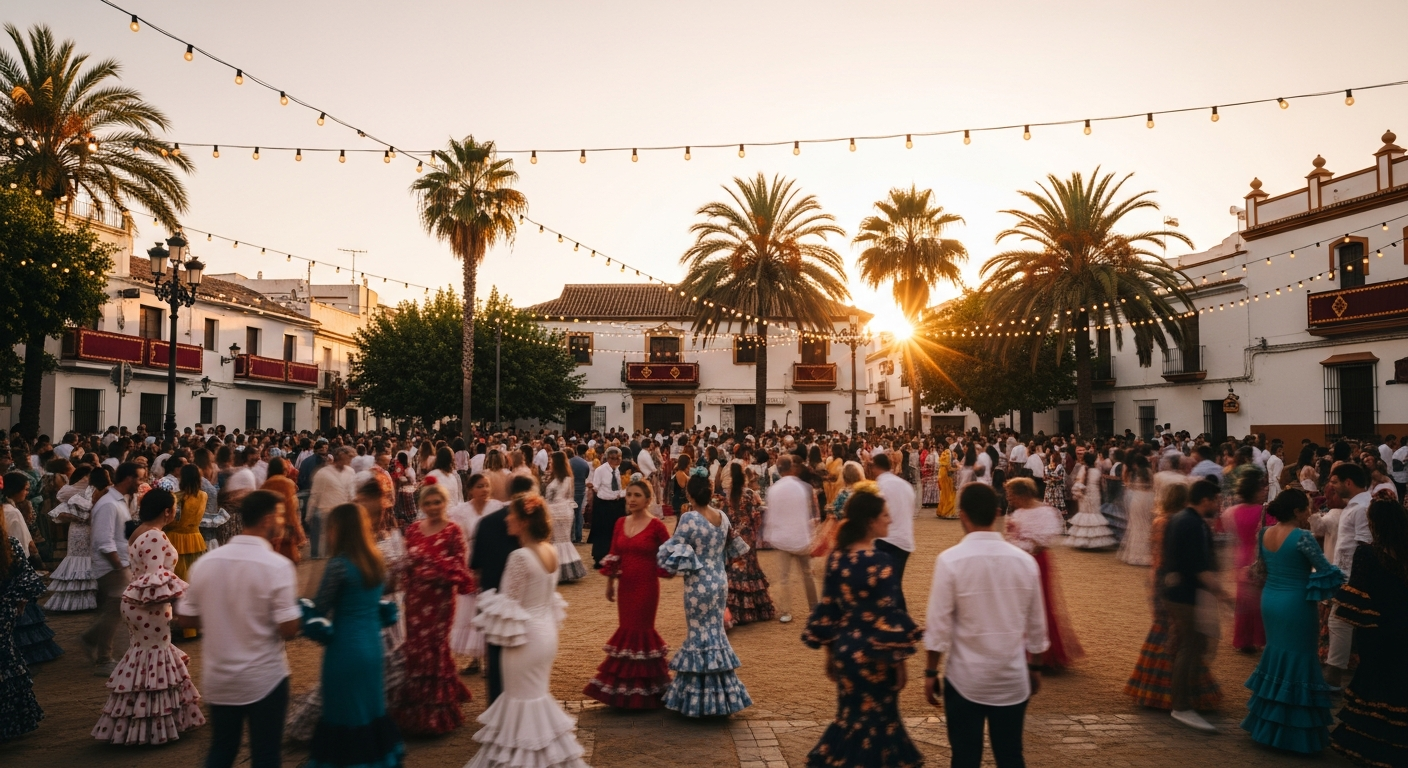
Many coastal towns hold their patron-saint fiestas and spring ferias during these months. These are not formal food festivals so much as community celebrations where eating and drinking are central. Expect casetas (festival tents) serving fried fish, grilled meats, local wines and sherry, with families gathering late into the evening. They are the best possible introduction to how Andalucíans actually eat and socialise.
Weekly produce markets
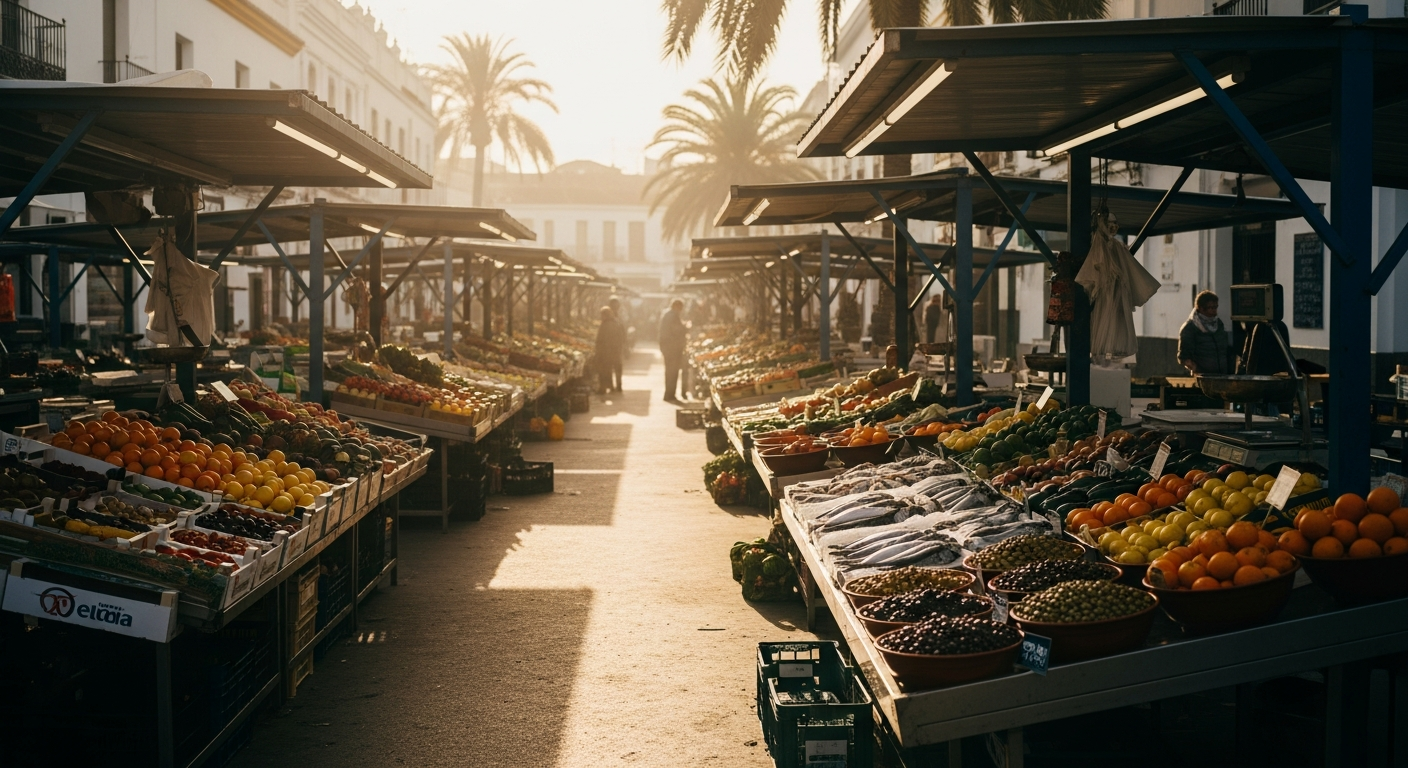
Spring is also the moment to lean into the region's weekly street markets. Nearly every town has its own market day, where stalls overflow with strawberries, asparagus, artichokes and just-picked citrus. Arriving early rewards you with the best of the produce and a quieter, more local atmosphere. If you are exploring where to base yourself, the Estepona area guide is a useful starting point, as the old town's market culture is among the most charming on the coast.
Summer: Beach Grills, Night Markets and the Espeto
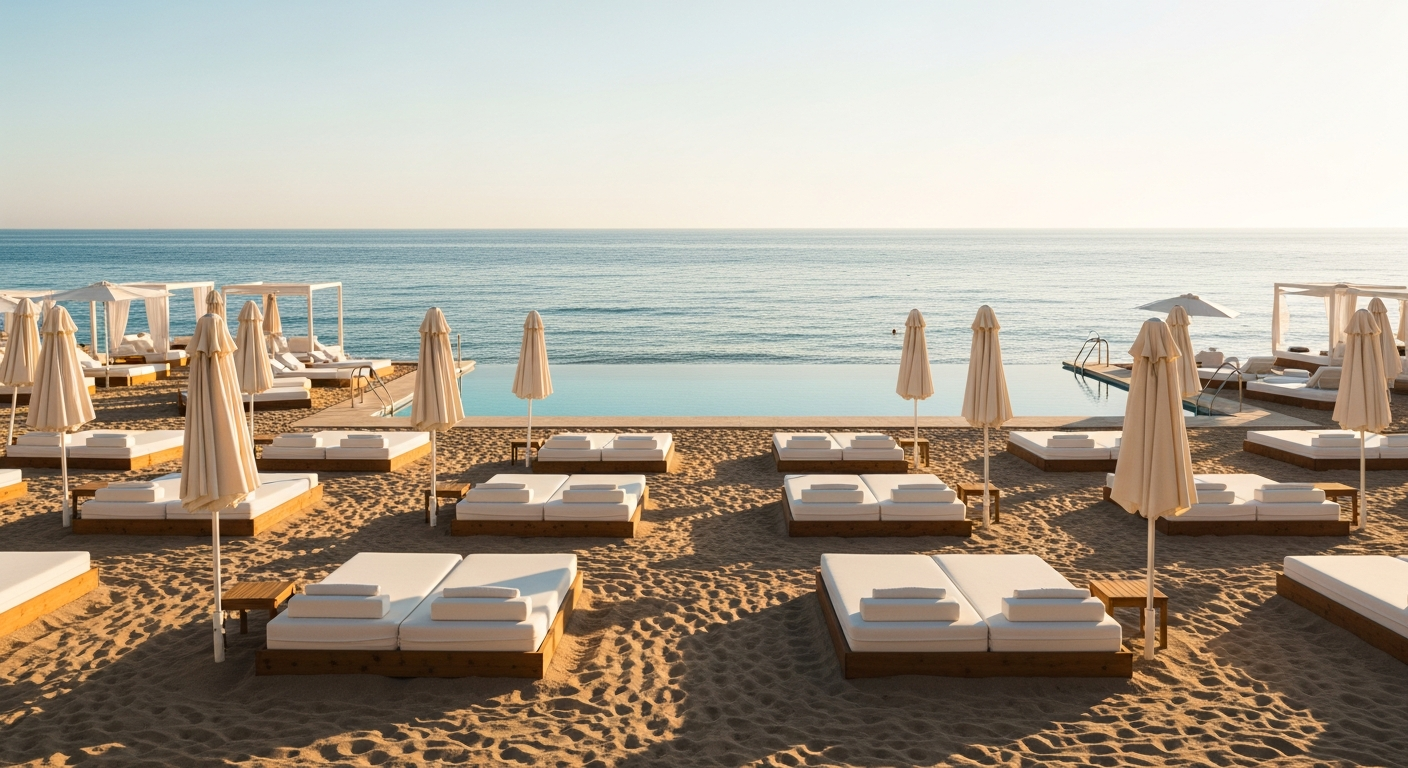
Summer dining on the Costa del Sol is defined by one thing above all: the espeto. Sardines skewered on a cane and grilled over an open wood fire in a beached fishing boat are the signature dish of the coast, and from roughly late spring through the warm months you will find chiringuitos (beach restaurants) firing up their grills along the sand.
Chiringuito culture
The beach-bar tradition is at its peak in summer. Beyond the espeto, look for fresh seafood, pescaíto frito (mixed fried fish), cold gazpacho and ajoblanco, and long lazy lunches that drift into the afternoon. The glamorous marinas add a different note — the Puerto Banús area guide gives a sense of the polished, see-and-be-seen end of the dining spectrum, where waterfront terraces and yacht views set the scene.
Summer night markets and fairs
When the daytime heat eases, evening artisan and food markets appear in many towns, often along promenades. These combine craft stalls with street-food vendors serving everything from local cheeses and cured meats to international bites. They are relaxed, family-friendly and perfect for grazing your way through a warm evening.
Autumn: Harvest Season and Gastronomic Depth
For serious food lovers, autumn is arguably the finest season on the coast. The crowds thin, the temperatures stay pleasant, and the kitchens turn to heartier, harvest-driven cooking.
The grape and chestnut harvests
Inland from the coast, the hills around villages such as those near Benahavís and the Serranía de Ronda come alive with the grape and chestnut harvests. Autumn brings wine-themed events and rustic mountain cooking — game, stews, mushrooms and roasted chestnuts. The Benahavís area guide is worth a look, as the village has built a strong reputation as a dining destination, with a concentration of restaurants that draws people up from the coast specifically to eat.
Olive oil and the new harvest
Andalucía is the heartland of Spanish olive oil, and the late-autumn pressing of the new harvest is a genuine highlight. Look out for tastings and producer events where you can sample the fresh, peppery aceite de oliva virgen extra straight from the season's first pressing — a revelation if you have only ever known supermarket oil.
Winter: Markets, Citrus Returns and Festive Tables
Winter on the Costa del Sol is mild and bright compared with much of Northern Europe, and the dining scene does not hibernate.
Christmas and festive markets
The festive season brings Christmas markets to many towns, with stalls selling turrón, roasted chestnuts, mulled drinks and artisan sweets. The atmosphere is warm and unhurried, and the coastal light makes a December stroll a pleasure rather than an endurance test.
Citrus, almonds and slow lunches
Winter is citrus season again, and the markets fill with oranges, lemons and mandarins. It is also the time for long, restorative lunches — slow-cooked stews, puchero, and the kind of unhurried table that defines Spanish eating. Towns slightly away from the busiest tourist strips, such as those covered in the San Pedro de Alcántara area guide, come into their own in winter, with a strong local restaurant scene that keeps going year-round rather than shutting for the season.
How to Plan Around the Food Calendar
A few practical pointers will help you get the most from the coast's culinary year:
- Check town hall and tourist office listings. Local ayuntamiento websites and tourist offices publish event calendars, and dates shift slightly from year to year, so confirm before you travel.
- Go early to markets. The best produce and the most authentic atmosphere are found in the first hours.
- Embrace the local timetable. Lunch peaks around 2pm and dinner rarely starts before 9pm in summer. Adjusting to this rhythm unlocks the real experience.
- Venture inland. Some of the most rewarding food experiences are a short drive up into the hills, away from the beachfront.
- Travel between towns. Each town has its own market day and its own fiestas, so a little planning lets you string several together.
Living With the Calendar Year-Round
The great advantage of being based on the coast, rather than visiting, is that the food calendar becomes part of everyday life rather than a holiday novelty. You learn which market day suits your week, which chiringuito grills the best espeto, and when the new olive oil arrives. For many buyers, this lifestyle is precisely the appeal.
If the prospect of building your year around this kind of dining culture appeals, it is worth exploring both Costa del Sol property for sale and rental options to find a base close to the markets and towns that suit you. Renting first is a sensible way to experience the seasons before committing — and to discover which corner of the coast feels most like home at the table.
From spring ferias to winter chestnuts, the Costa del Sol offers a genuinely year-round feast. Follow the calendar, eat where the locals eat, and you will find the region's character revealed one plate at a time.